Innovative metal and polymer 

3D printing services


 As part of Hydropress, AMTH leverages breakthrough powder fusion technologies, advanced materials, and unparalleled design capabilities.


Direct Metal Laser Sintering

Metal 3D Printing

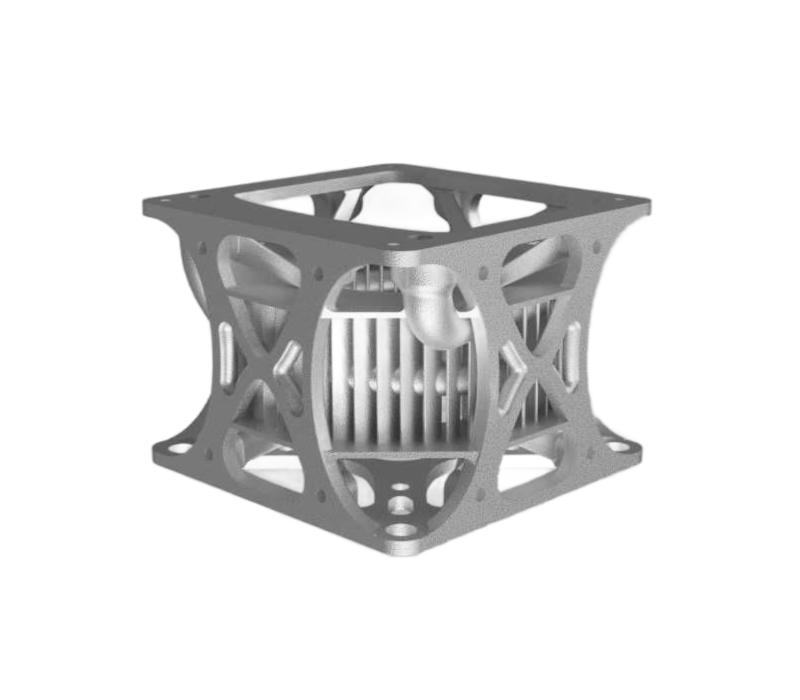
DMLS is an advanced powder-bed fusion technology that enables the production of complex geometries that would be difficult or impossible
to achieve with conventional methods. The comprehensive workflow from model preparation, through printing, to post-processing ensures precision, durability, and consistent quality of every component.

Selective Laser Sintering

Polymer 3D Printing

SLS is a modern technology of sintering polymer powders, allowing
for the production of complex components without the use of supports.
It combines high strength and dimensional accuracy with full design freedom, enabling the manufacturing of both functional prototypes
and finished end-use parts.

Discover the Possibilities

What are the benefits of metal 3D printing?

Innovative geometries

Create unique shapes impossible to produce with traditional metalworking methods.


Project optimisation

Use the full potential of your design to create a product with optimal performance.


Production speed

Reduce the time from idea to final product by shortening the supply chain.

Weight reduction

Obtain a product with minimum weight while maintaining the required parameters.


Ecology

Benefit from lossless additive manufacturing technology without generating any waste.

Individual approach

Reduce the costs of producing individual products, their subsequent versions and small series.

Innovative geometries

Create unique shapes impossible to produce with traditional metalworking methods.


Project optimisation

Use the full potential of your design to create a product with optimal performance.


Innovative geometries

Create unique shapes impossible to produce with traditional metalworking methods.


Project optimisation

Use the full potential of your design to create a product with optimal performance.

Production speed

Reduce the time from idea to final product by shortening the supply chain.

Weight reduction

Obtain a product with minimum weight while maintaining the required parameters.

Ekologia

Korzystaj z bezstratnej technologii wytwarzania przyrostowego bez generowania odpadów.

Indywidualne podejście

Obniż koszty produkcji jednostkowych produktów, ich kolejnych wersji i małych serii.

Innovative geometries

Create unique shapes impossible to produce with traditional metalworking methods.


Project optimisation

Use the full potential of your design to create a product with optimal performance.

Discover the Possibilities

Discover the Possibilities

Metal 3D printing with DMLS and SLS enables the production of geometries that are difficult - or even impossible - to achieve using conventional methods, providing unmatched freedom in designing innovative solutions. By reducing the number of joints through the integration of multiple components into a single structure, optimizing shape and functional parameters, or creating unique designs, additive manufacturing delivers benefits that go far beyond traditional production methods.

See use examples
Technological Line

What does working on a project look like?

1. Project verification

➤ Existing project or from scratch

➤ Defining requirements

3. Plastic prototype

➤ Project verification

➤ Making improvements

5. Postprocessing

➤ Heat treatment

➤ Machining

➤ Surface finish

2. Optimisation

➤ Adaptation for 3D printing

➤ Material selection

➤ Shape optimisation

4. Metal or Polymer Printing

➤ Printing as designed

➤ Whole series or single item

6. Product

➤ Quality control

➤ Finished product delivery

➤ Quick reorder


 Discover the Possibilities

Unparalleled design freedom

Metal 3D printing with DMLS and SLS enables the production of geometries that are difficult - or even impossible - to achieve using conventional methods, providing unmatched freedom in designing innovative solutions. By reducing the number of joints through the integration of multiple components into a single structure, optimizing shape and functional parameters, or creating unique designs, additive manufacturing delivers benefits that go far beyond traditional production methods.

See use examples
3D Printing Technology

 Seven 3D printing technologies

There are seven main 3D printing technologies, which are based on various forms of input material, most often in the form of a wire, resin or powder, which is processed by heat, light curing or laser melting. Dynamically developing 3D printing technologies allow for the creation of products from almost any material: from various polymers and composites to durable metal alloys. At AMTH, we operate a modern machine park based on Powder Bed Fusion (PBF) technology, which enables the production of parts with the highest quality and precision.


Binder
Jetting

Material Extrusion

Direct Energy Deposition

Powder Bed Fusion

Sheet Lamination

Material
Jetting

Vat Photo Polymerization

Powder Bed Fusion

Material

Extrusion

Direct Energy Deposition

Binder

jetting

Sheet

Lamination

Material
Jetting

Vat Photo Polymerization

3D Printing Market in Numbers

0

bn

AM market value in $ by 2030

0

%

share of metals in global 3D printing material revenues

0

%

waste reduction achievable through additive manufacturing processes

0

%

of users plan to increase investments in 3D printing

Discover the Possibilities

Advantages of PBS over other AM methods
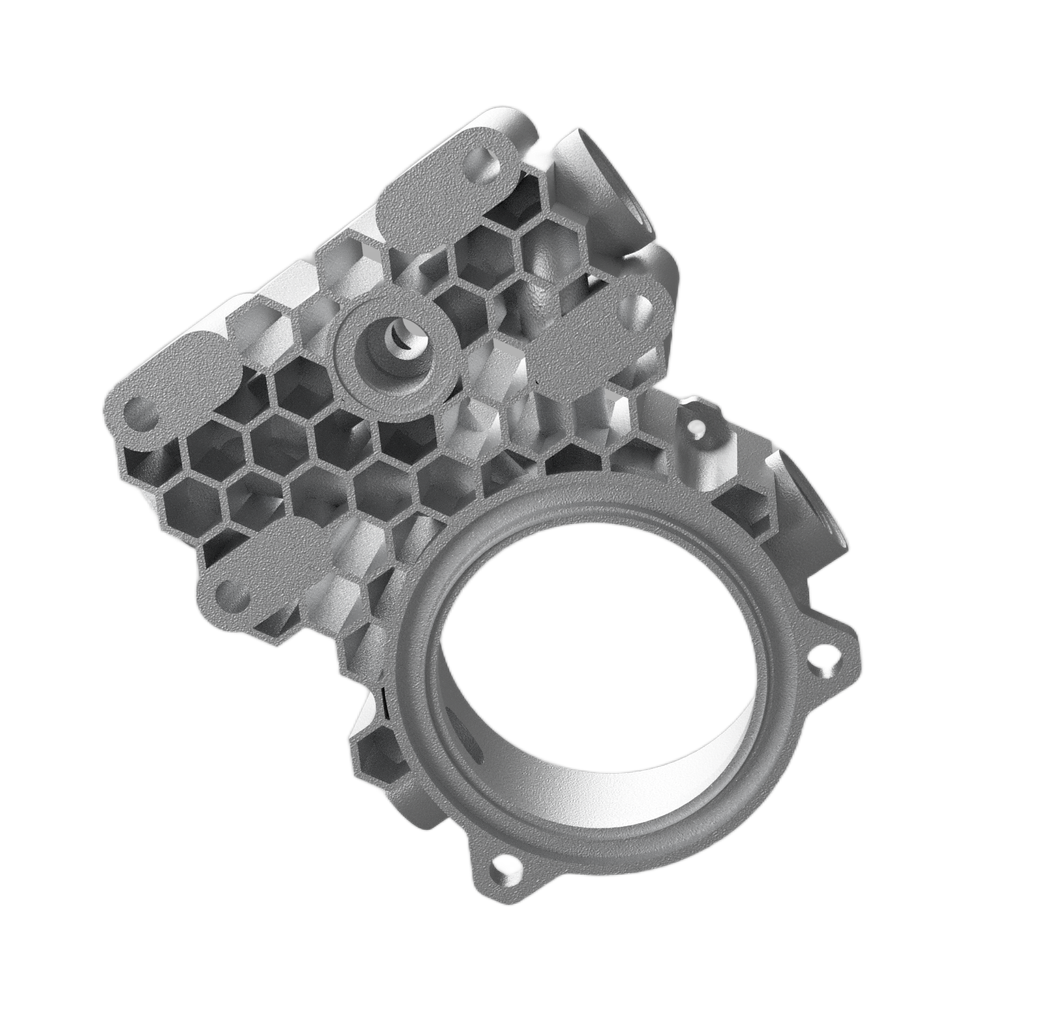
1

Precision

High dimensional accuracy and surface quality with high strength parameters.

2

Variety of Materials

A wide range of advanced metal and polymer powders..

3

Process control

Fully integrated production system: from design and printing to comprehensive post-processing.

4

Large field of work

Ability to print either large parts or multiple smaller ones in a single run.

1

Precision

High dimensional accuracy and surface quality with high strength parameters.

2

Variety of Materials

A wide range of advanced metal and polymer powders..

3

Process control

Fully integrated production system: from design and printing to comprehensive post-processing.

4

Large field of work

Ability to print either large parts or multiple smaller ones in a single run.

Technological Line

What does working on a project look like?

  1. Project verification

➤ Existing project or from scratch

➤Defining requirements

2. Optimisation

➤ Adaptation for 3D printing

➤ Material selection

➤ Shape optimisation

3. Plastic prototype

➤ Project verification

➤ Making improvements

4. Metal or Polymer Printing

➤ Printing as designed

➤Whole series or single item

5. Postprocessing

➤ Obróbka termiczna

➤ Obróbka skrawaniem

➤ Wykończenie powierzchni

6. Produkt

➤ Quality control

➤Finished product delivery

➤Quick reorder


Industry Applications

See use cases
5 March 2026
W lotnictwie problemem bywa złożony montaż zespołów (wiele elementów łączonych spawaniem i lutowaniem), co podnosi koszty, ryzyko wad oraz czas dostaw. Zastosowanie druku 3D pozwoliło wykonać końcówkę dyszy paliwowej jako pojedynczy element zamiast ok. 20 części łączonych konwencjonalnie - wcześniej były spawane i lutowane. Dysza paliwowa to komponent odpowiedzialny za precyzyjne podanie i mieszanie paliwa w komorze spalania, więc jakość i powtarzalność tych elementów są krytyczne. W praktyce uzyskano redukcję masy o ok. 25% oraz przejście do produkcji wielkoseryjnej, co jest jednym z najmocniejszych argumentów biznesowych za technologią AM z metalu.
27 February 2026
Druk 3D przez lata kojarzył się głównie z prototypowaniem. Dziś staje się pełnoprawną technologią produkcyjną na skalę przemysłową. Dowodem są tytanowe koperty zegarków typu smartwatch od Apple, które w całości wytwarzane są w technologii addytywnej. Od prototypu do milionów sztuk. W firmach wielu znanych marek stawiano sobie ambitne pytania: czy druk 3D, dotąd używany głównie do tworzenia prototypów, może posłużyć do produkcji milionów identycznych elementów, spełniających rygorystyczne normy jakości. Najlepiej jeszcze z wykorzystaniem metalu z recyklingu. Efekt: wszystkie tytanowe koperty zegarków w omawianym przykładzie, powstają ze 100% recyklingowanego proszku tytanowego klasy lotniczej. Co więcej, technologia została dopracowana tak, aby zachować perfekcyjne wykończenie powierzchni oraz wysoką trwałość i lekkość konstrukcji. Element jest obudową urządzenia, użytkowanego codziennie, więc liczą się zarówno odporność, jak i precyzja dopasowania. Mniej materiału, większa efektywność. Kluczowa zmiana dotyczy sposobu produkcji. Konwencjonalna obróbka— nadmiar materiału jest usuwany z bloku metalu. Punkt wyjścia: blok metalu Proces: usuwanie nadmiaru materiału Skutek: znaczne straty surowca Druk 3D jest procesem addytywnym — materiał nakładany jest warstwa po warstwie, niemal dokładnie do finalnego kształtu. Punkt wyjścia: proszek metalowy Proces: nakładanie warstwa po warstwie Skutek: powstaje niemal gotowy kształt, minimalizując odpady Dzięki temu nowe modele zużywają o 50% mniej surowca niż poprzednie generacje, co w skali roku pozwoli zaoszczędzić 400 ton tytanu. Wdrożenie druku 3D to już nie jest jednorazową innowacją, lecz elementem szerszej transformacji systemu produkcji, z efektywnością materiałową, redukcją emisji i skalowalnością. Wnioski. Przykład produkcji tytanowych kopert pokazuje, że: druk 3D może wyjść poza etap prototypowania, zrównoważony rozwój nie musi oznaczać kompromisu jakościowego, realne oszczędności surowców są możliwe nawet przy masowej produkcji. To sygnał, że technologie addytywne przestają być przyszłością przemysłu — stają się jego teraźniejszością.
26 February 2026
W pojazdach o wysokich osiągach układ hamulcowy pracuje w warunkach skrajnych obciążeń termicznych i mechanicznych, a jednocześnie masa elementów nieresorowanych ma bezpośredni wpływ na prowadzenie. Wszystkie wyzwania z tym związane uwzględniono w założeniach do wytwarzenia addytywnego w tytanie pełnowartościowego zacisku hamulcowego - o dużej objętości i złożonej geometrii. Element pełni funkcję kluczowego podzespołu układu hamulcowego i musi spełniać wymagania wytrzymałościowe typowe dla części funkcjonalnych, a nie prototypów. T  Wdrożenie to jest szczegółnie istotne, pokazując, że druk 3D z metalu jest realną opcją dla komponentów o wysokiej odpowiedzialności i wymaganiach jakościowych.
Stay up to date with the latest news!

We are excited to share the latest news from the world of 3D printing with you.


Sign up for our newsletter to be among the first to learn about our project's progress and research results.


Leave your email to:

  • Receive regular updates on key milestones in the Hydropress project.
  • Be informed about the opening of commercial orders.
  • Have access to exclusive content and promotions.


Zainteresowany